
ELEGANT CAN BEAT HIGH TECH
/Elegant Can Beat High Tech
Yesterday was Reid-Hillview Airport Community Day. One of the activities was a tour of the Control Tower. Great experience. Thank you to Vincent and Spencer for taking the time to explain the process that keeps hundreds of flights going in and out safely. Thank you to the rest of the team for letting us observe you at work.
I was surprised by how physical the process is, versus my high tech expectations. Yes, they have access to radar and a huge portion of the work involves radio communication with the pilots going in and out of the airport. But they also make heavy use of those big windows and a unique physical tracking system. They track planes by type, tail number, and request for inbound or outbound route -- by writing the information on plastic "pucks" with a grease pencil, and then physically sorting that puck onto the taxi and runway slots.
We weren't allowed to take pictures, so I'm showing a similar process below using wooden blocks. 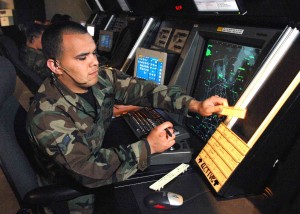
When I asked about the process, using the plastic pucks versus keeping track on a computer, I was told that sometimes "elegant is best." Great point! The solution is elegant in that the physical blocks trigger sensemaking (in my words) more than a screen version might. They can push a puck slightly out of its track to highlight that more action is necessary. All the members of the team can immediately step in to provide relief given their common understanding of the system. Elegant, green (no need for power or paper), easily visible to all in the room -- good for team visualization. Beautiful approach to a complex problem. Sometimes systems savvy means using elegant, but less high tech systems. Comments appreciated describing other examples.